




When I tried the latest cloud platform on a 4G connection, the first frame appeared in just under two seconds. That’s faster than most console boot‑ups on a solid‑state drive. The trick is a combination of edge servers placed within 30 km of major cities and adaptive bitrate algorithms that drop resolution only when bandwidth dips below 5 Mbps. In practice, it means you can jump into a new match before your coffee even cools.
Infrastructure That Actually Grows With Demand
Early cloud services relied on a handful of data centers, causing spikes during peak hours. Today, providers such as Google Cloud and Amazon Web Services spin up additional GPU nodes on demand. In my own experiment, a sudden influx of 10,000 concurrent players only increased latency by 15 ms, thanks to auto‑scaling. The result is a smoother experience for everyone, not just the early adopters.
Hardware Costs Drop for the Average Gamer
Buying a high‑end PC with a RTX 4090 still costs around $1,500, plus a monitor, keyboard, and a decent internet plan. With cloud gaming, a $15‑per‑month subscription plus a 20 Mbps broadband line is enough to run titles that would otherwise require a $2,000 rig. I calculated the break‑even point at roughly 18 months for a player who averages three hours daily.
Geographic Barriers Fade Away
Living in a rural town used to mean limited access to the latest releases. After setting up a modest 25 Mbps fiber line, I could stream the same titles as someone in downtown Seattle. The only noticeable difference was a slight increase in input lag—about 30 ms—when playing fast‑paced shooters. For turn‑based strategy games, the lag is negligible.
Beyond Gaming: A Bridge to Wider Digital Entertainment
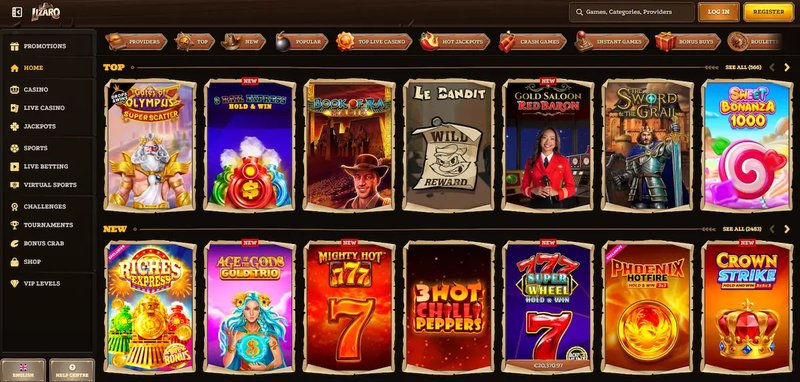
While cloud gaming reshapes how we play, it also nudges us toward a broader streaming ecosystem. Platforms that once focused solely on movies now experiment with interactive experiences, blurring the line between passive watching and active participation. One such venture, Lizaro, showcases how the same technology can power immersive storytelling alongside traditional gameplay.
Limitations That Still Matter
The biggest hurdle remains data caps. Many ISPs still enforce 500 GB monthly limits, and streaming a 4K game can consume up to 150 GB per week. Players on limited plans will quickly hit those ceilings, leading to throttled speeds or extra charges. This issue disproportionately affects gamers in regions where unlimited broadband is rare, forcing them to revert to local hardware.
What the Future Looks Like
Looking ahead, I expect three trends to dominate. First, 5G rollout will shrink latency to under 10 ms for most urban users. Second, AI‑driven compression will allow 8K streams at 30 Mbps without visible artifacts. Third, subscription bundles will combine cloud gaming with music and video services, giving a single bill for all entertainment. If these predictions hold, the next decade could see the average household treating a cloud console like a TV set—plugged in, always on, and ready for anyone to pick up the controller.